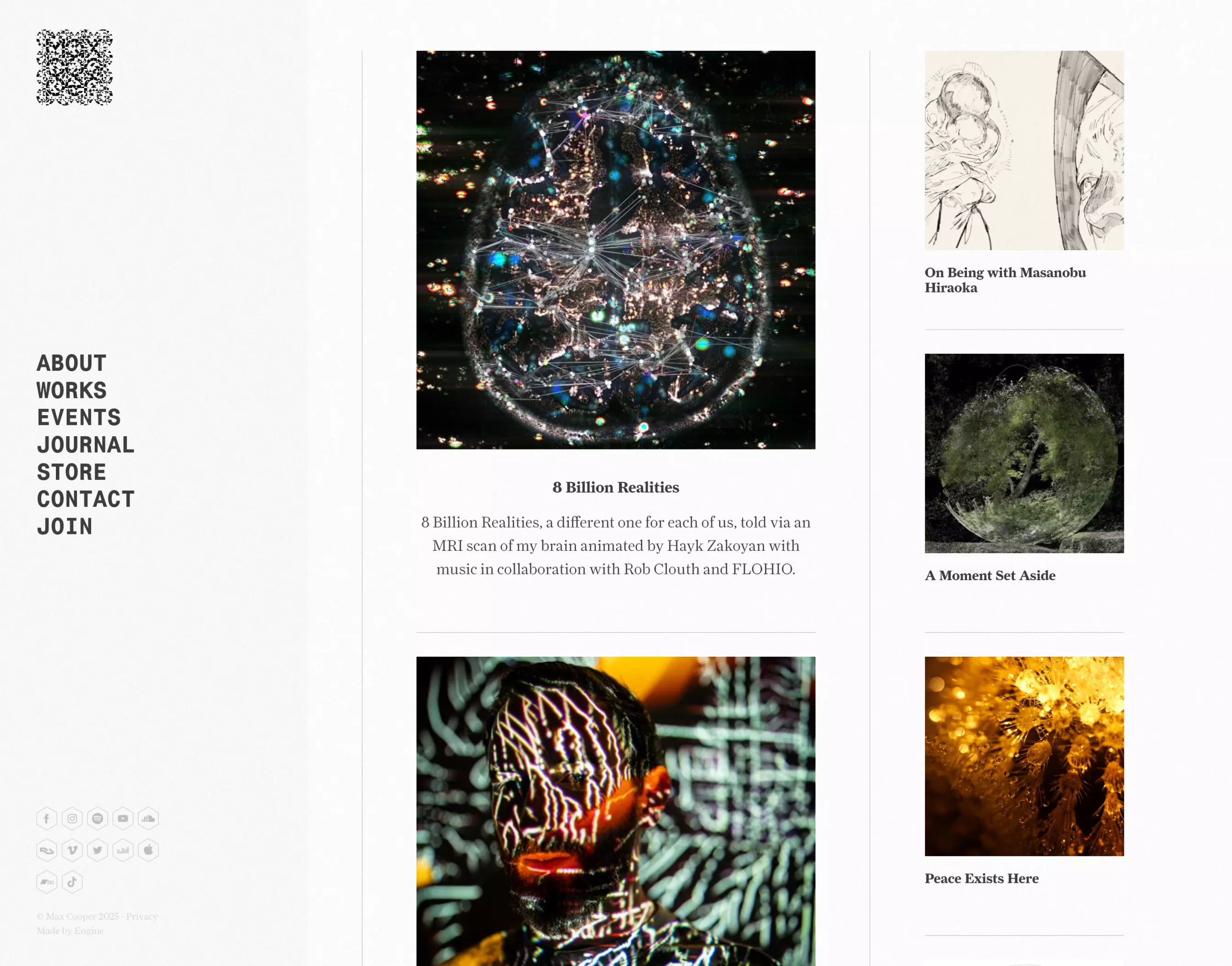
In 2016, we built a website for Max Cooper that worked in every technical sense — but something about it felt misaligned. A few months after launching, we chose to start again. This is a reflection on that decision and why rebuilding from the ground up was the clearest path forward, what changed in the process, and how a carefully considered structure has allowed the site to endure for nearly a decade without losing its relevance.
Nearly a decade on, the website we built for Max Cooper remains largely unchanged since its launch in early 2017. It has carried albums, live projects, and touring cycles without ever needing significant redesign or structural changes.
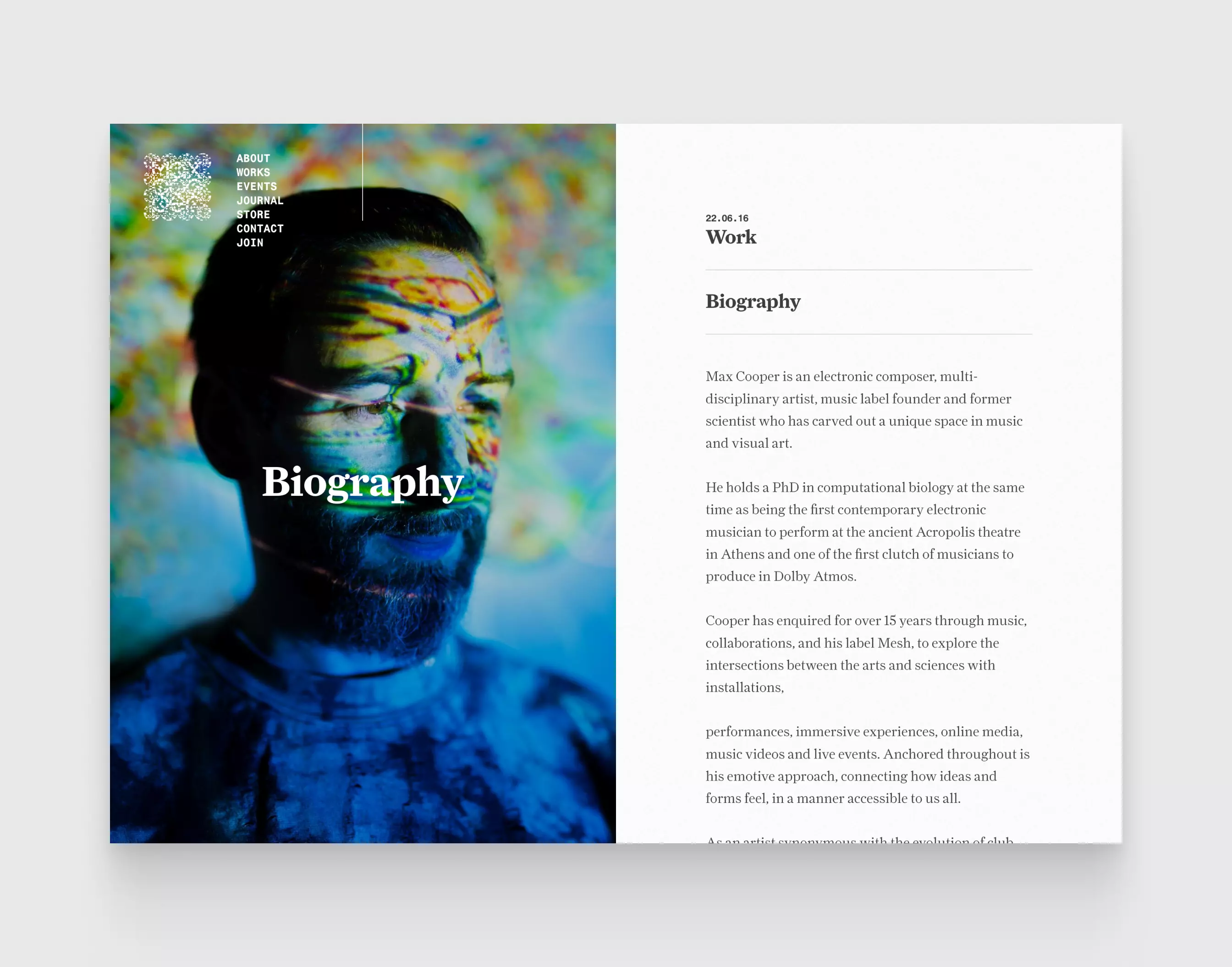
This isn’t how our site for Max started out — an earlier version, built at the end of 2016, functioned well, but something didn’t sit right. The structure felt rigid, and the visual language too clinical. Max’s music is immersive, human, and shaped by the space between science and art — it needed a framework with more flexibility and warmth.
"When it comes to Max's work, experience is everything," says Engine founder Henry. "We wanted to build a platform that enables people to truly experience the work in one place."
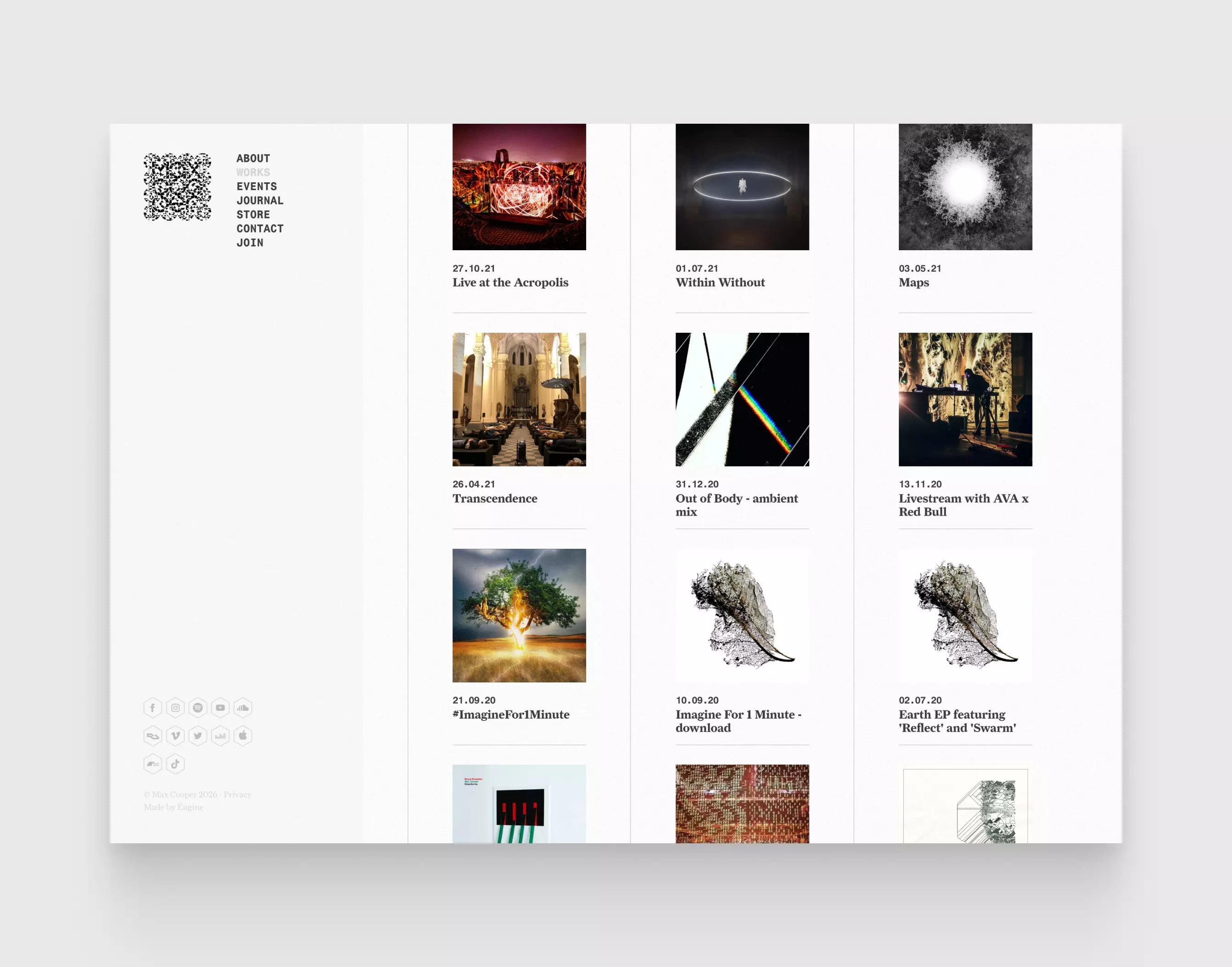
We’ve seen Max’s work evolve over the years we’ve known him, but his practice has always extended beyond music alone, moving through science, art, philosophy, systems, and longer-form thinking. He wanted a site that could hold essays, visual research, and the narratives behind each project, but with the early iteration of the site, it became clear that it wasn’t built for this kind of openness.
Rather than continuing to refine, we chose to start again.
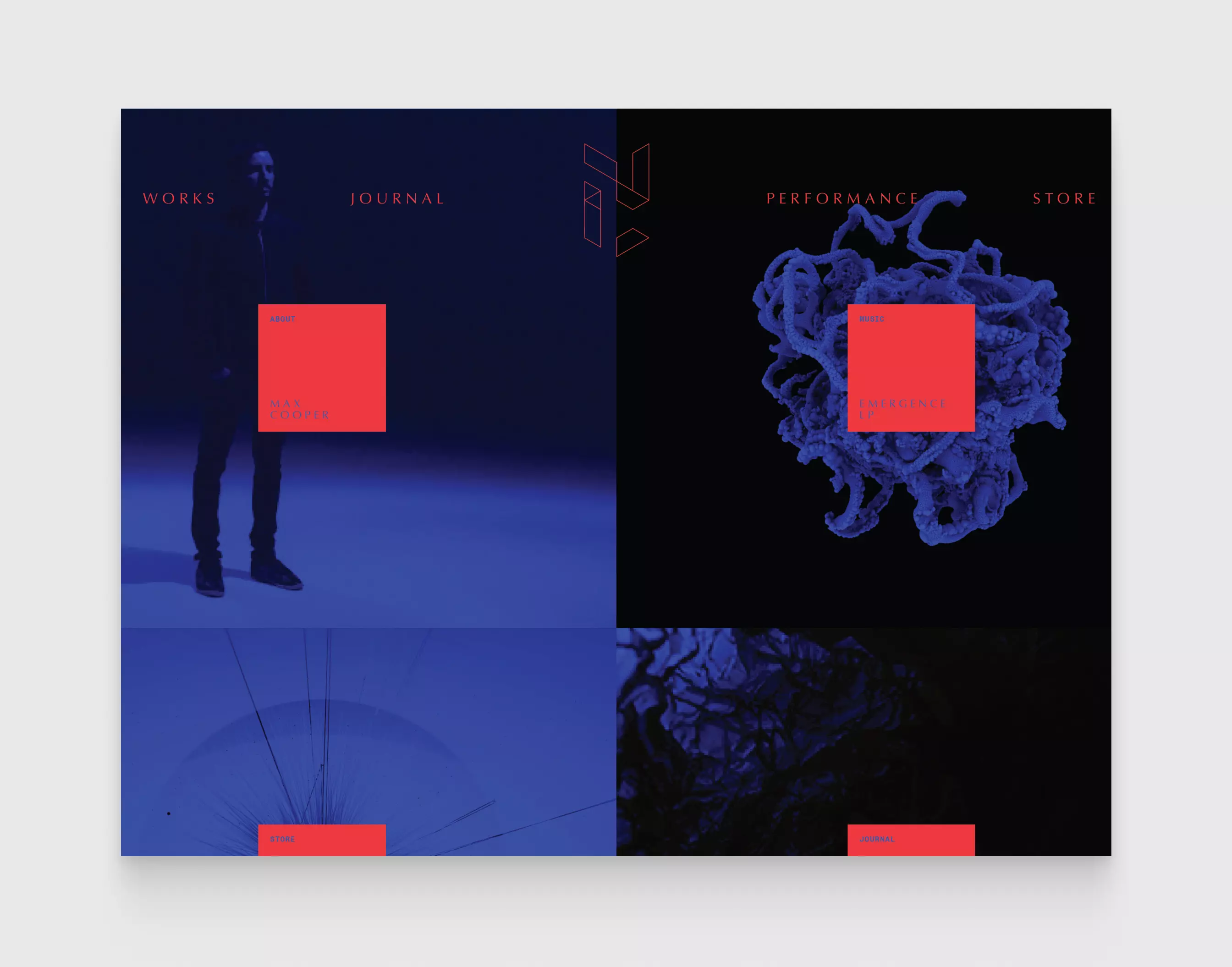
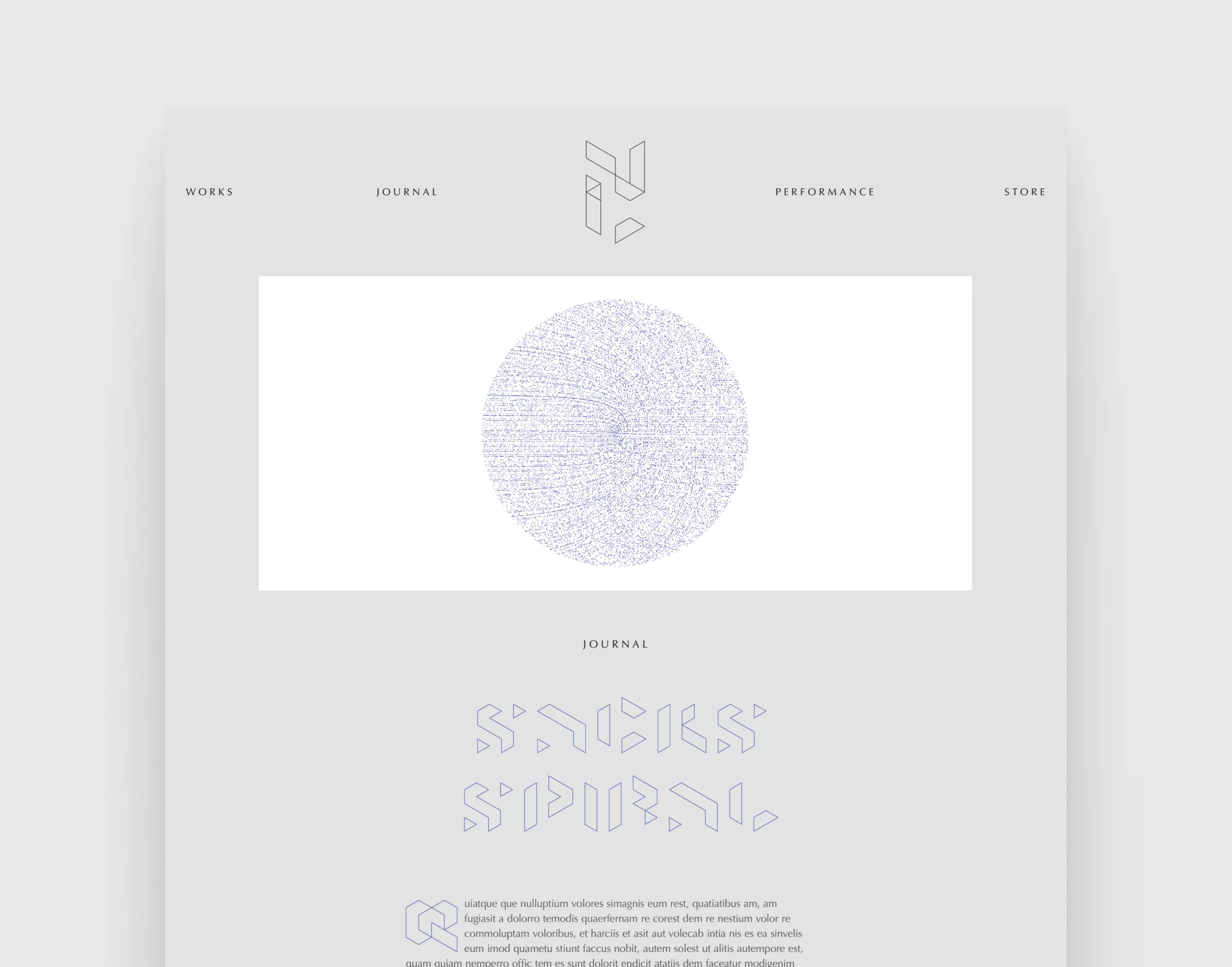
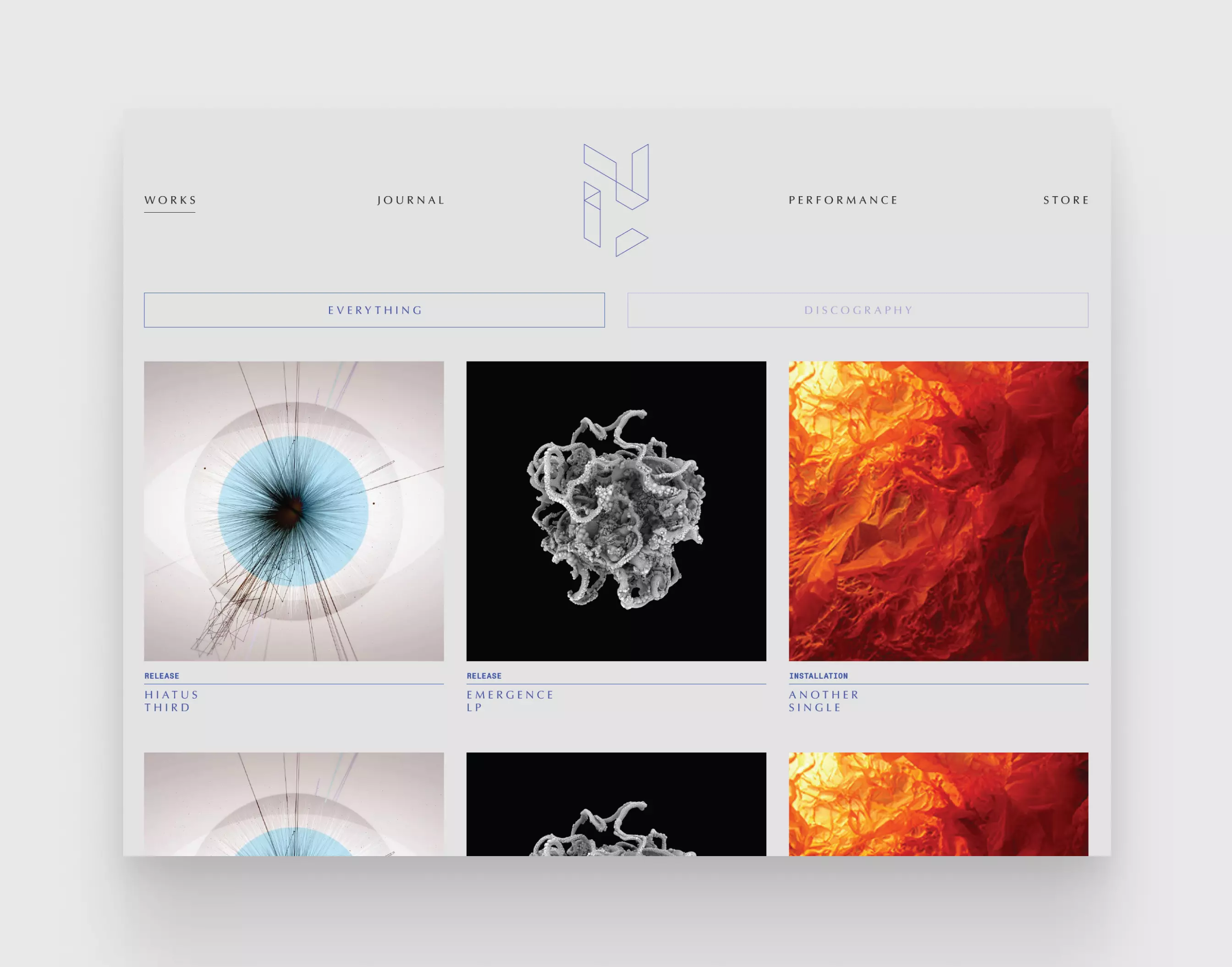
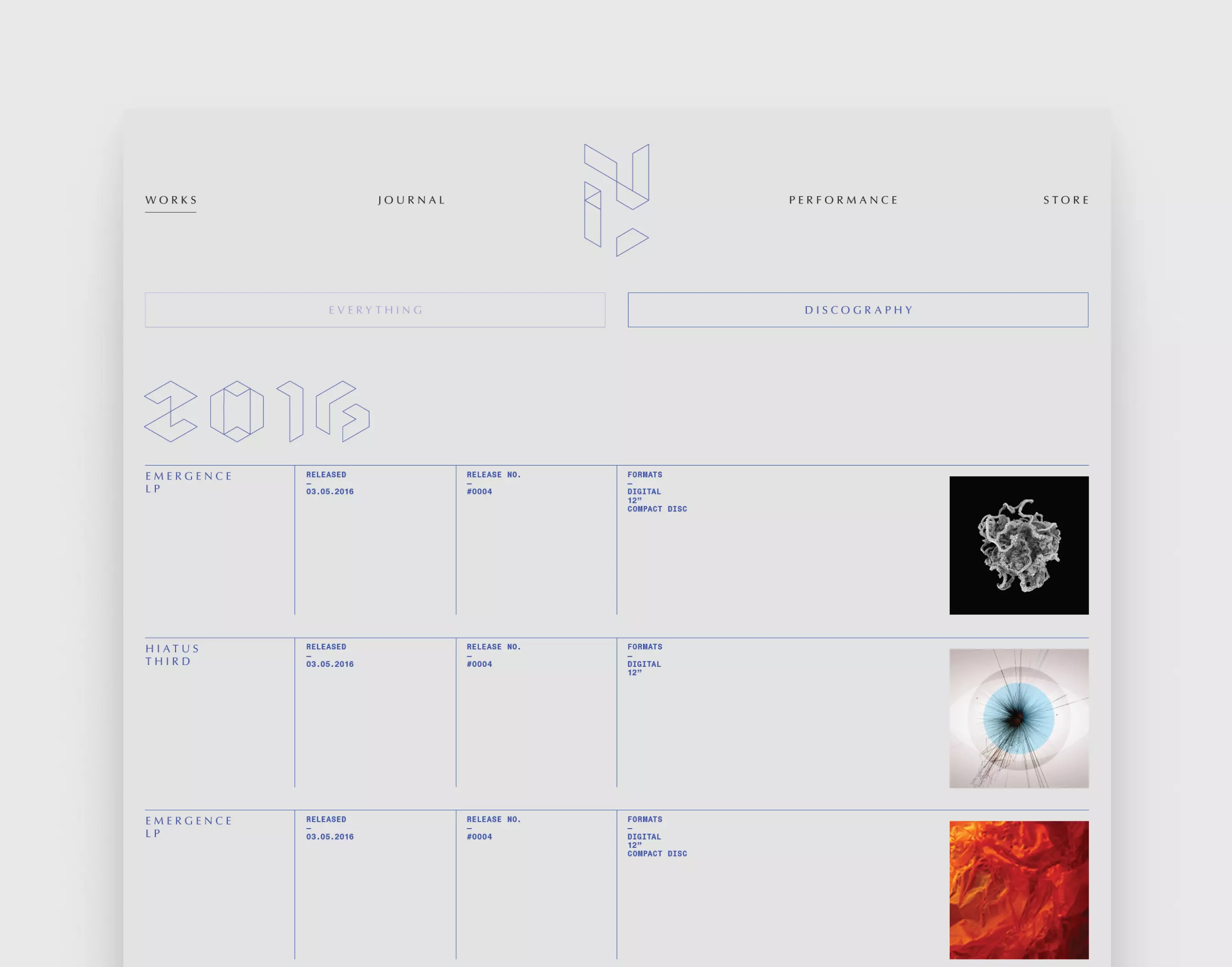
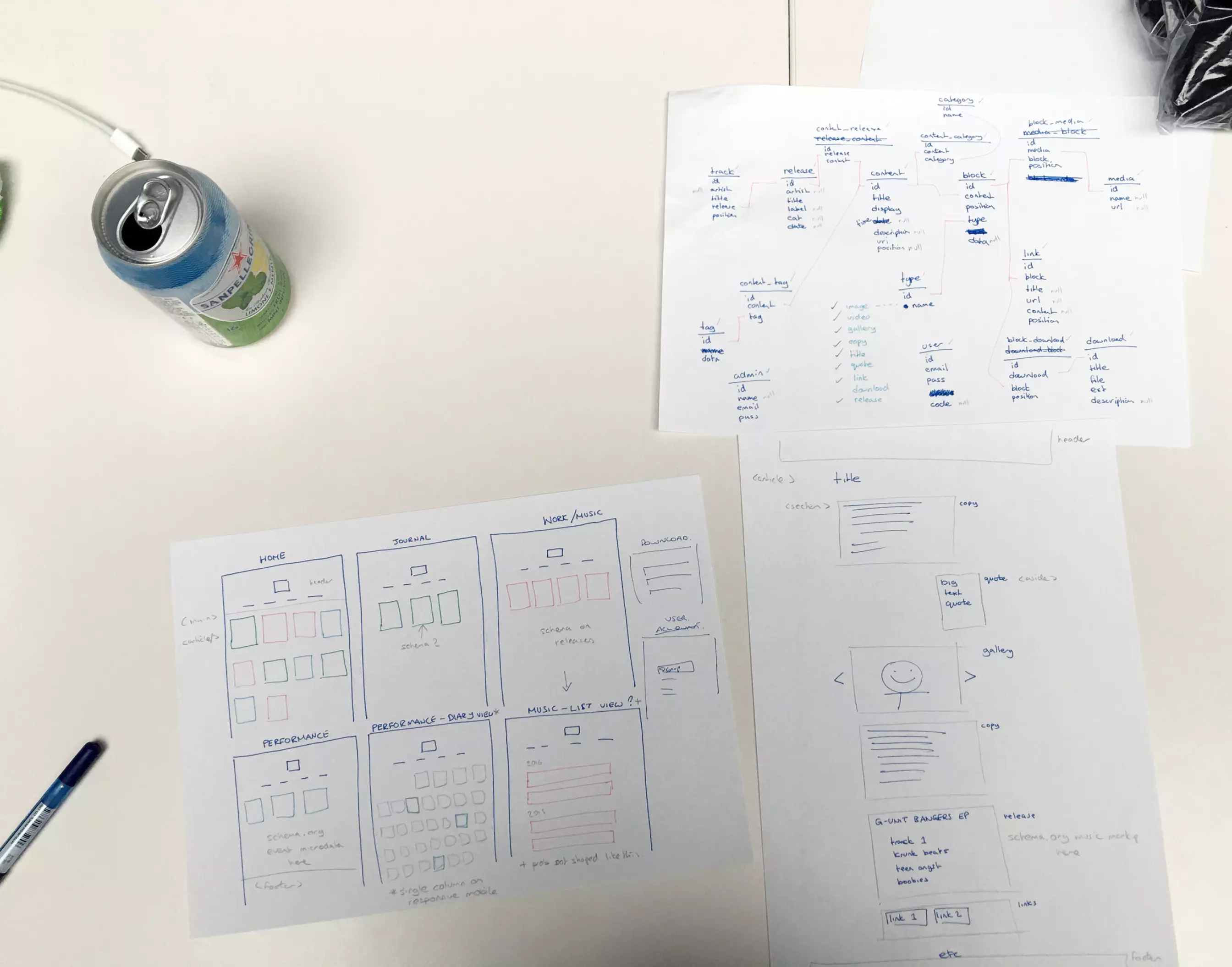
Rebuilding was slower but also felt more honest. With the rebuild, the new structure moved away from conventional grids toward a side-by-side layout that allows for pace and flow. Typography was softened into a humanist serif, and the palette shifted towards lighter, more organic tones. The design language as a whole found its place, and it felt like Max.
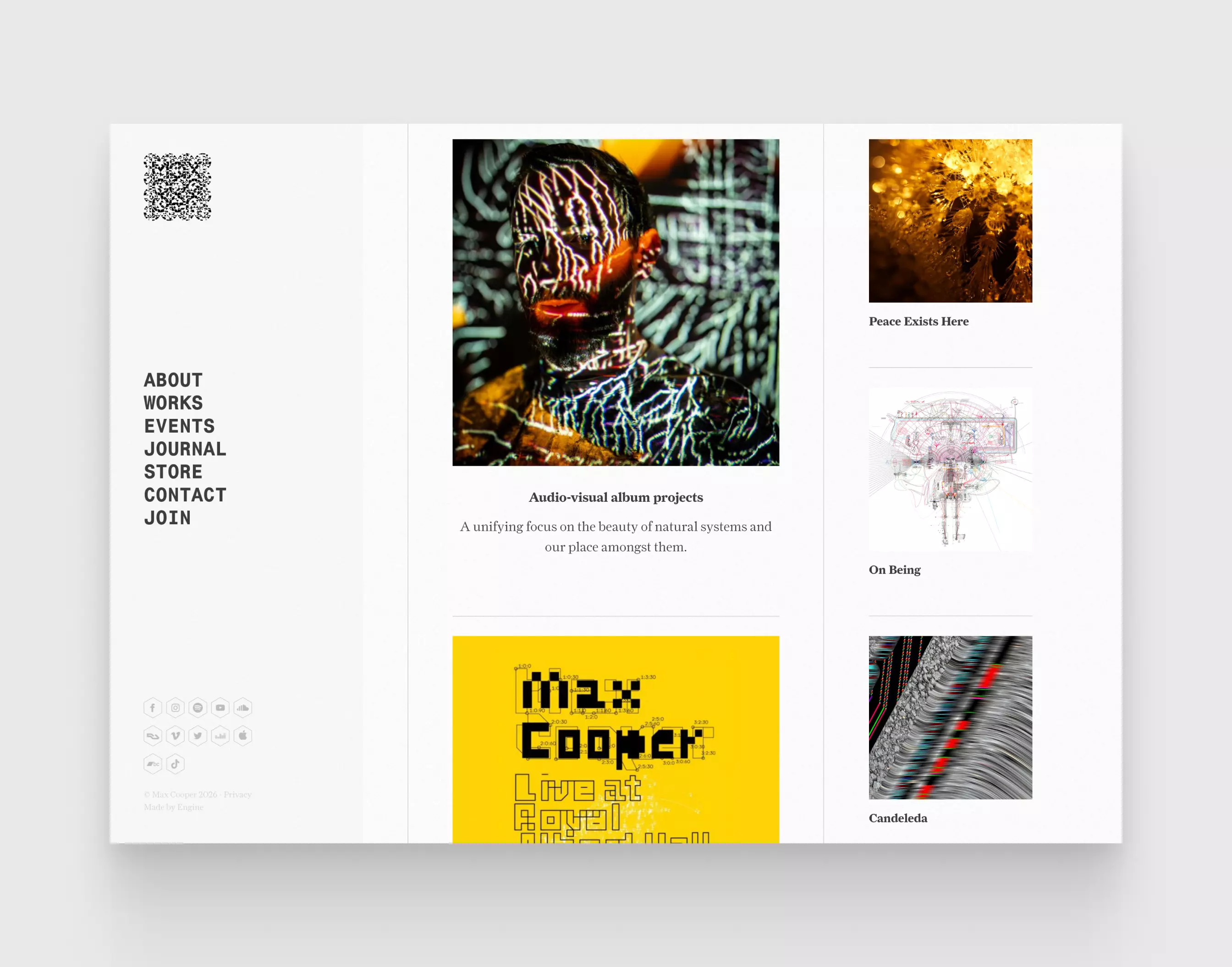
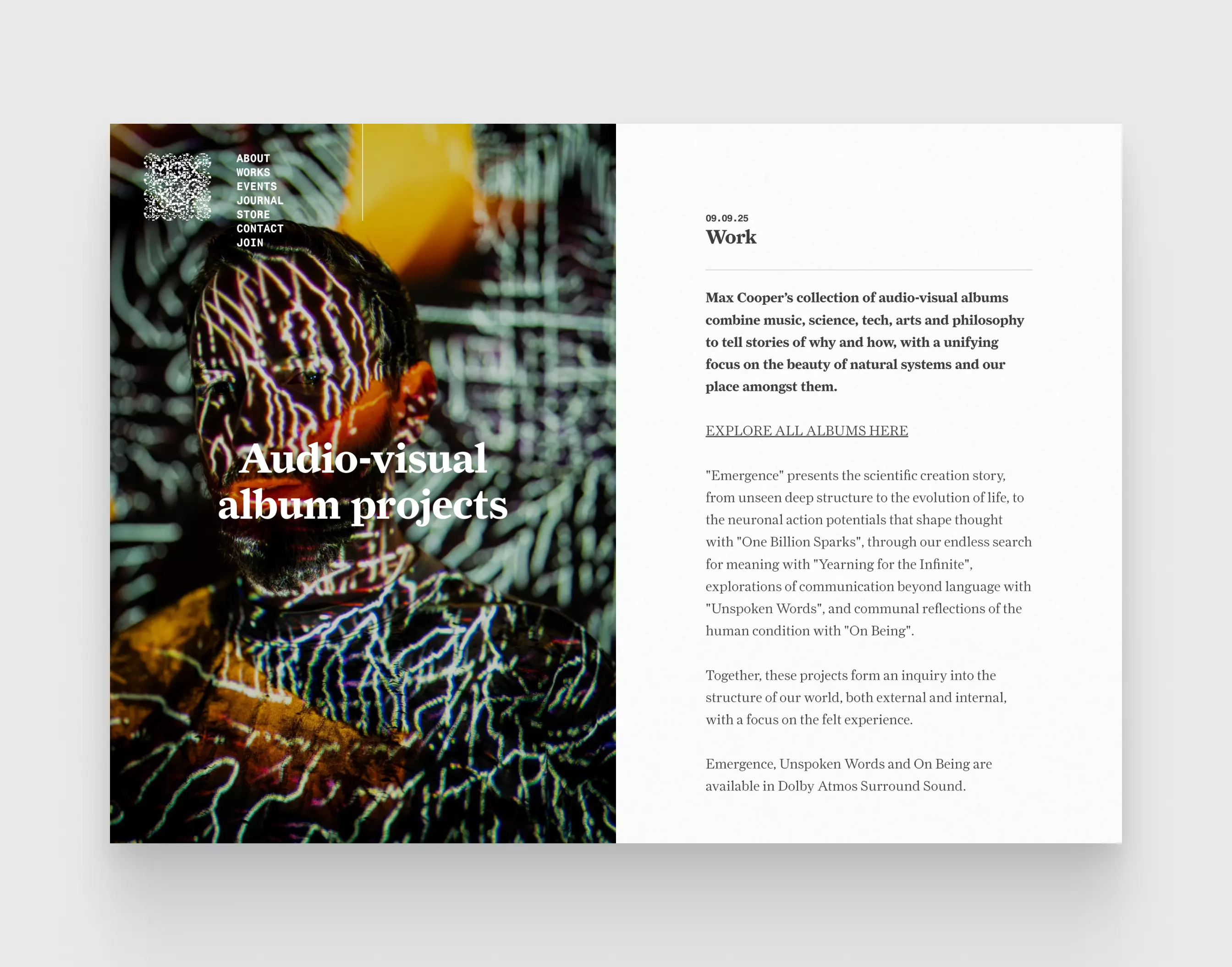
Building a website relies as much on instinct as it does structure — a site can be technically complete but still feel hollow to use. In Max’s case, choosing to start again allowed us to close that gap. Built on a solid foundation, the site has needed only small adjustments as his work has evolved over time. Looking back now, the decision wasn’t only about starting over but about starting correctly and recognising that care applied early tends to last.
"Learning how to feel when a site is done is something that has come with time and experience," Henry reflects. "It's about understanding nuances that aren't always noticed immediately."
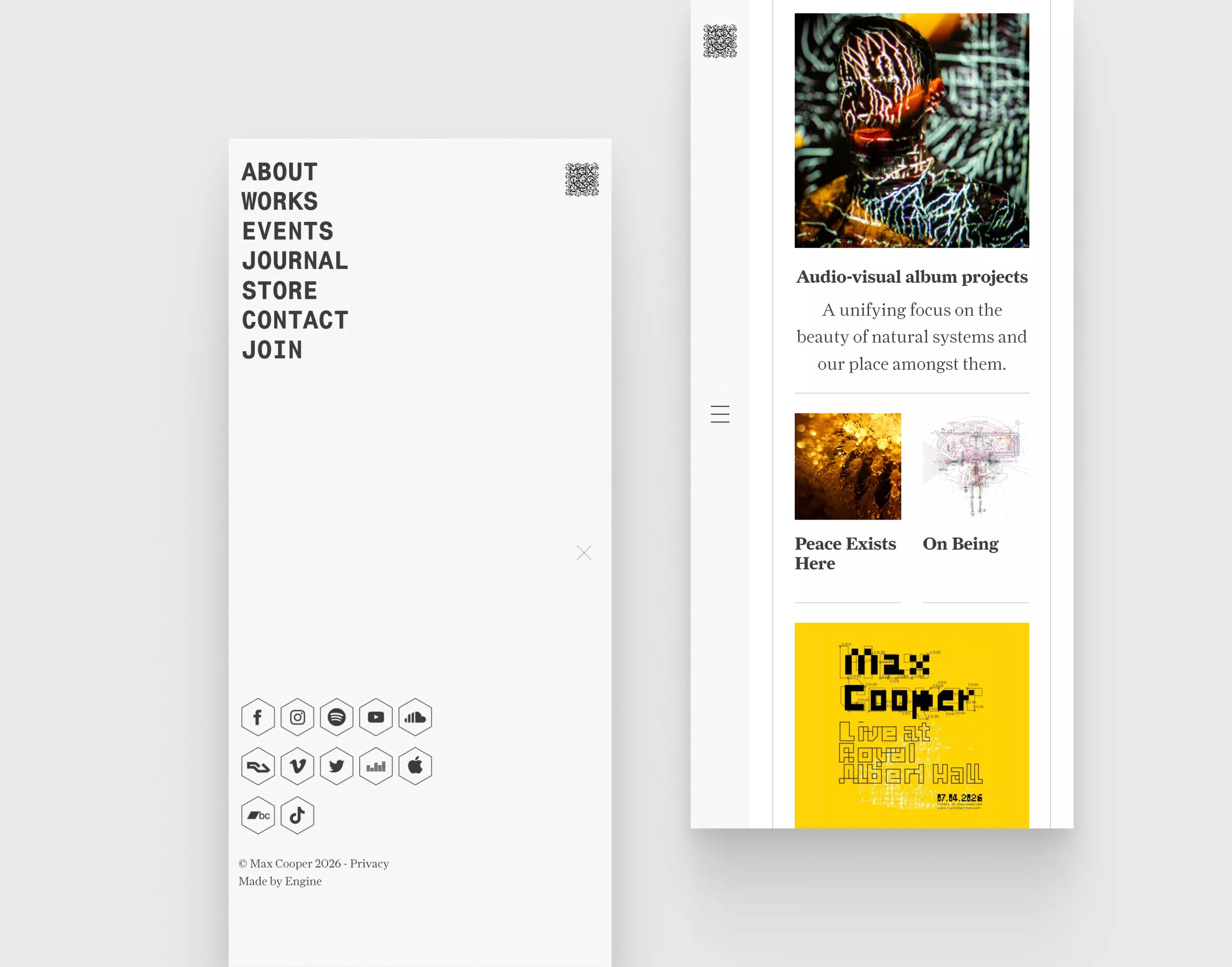
As with any site, Max’s will no doubt continue to change. What matters is not resisting that change, but knowing how to meet it — how to represent the work in a way that remains true as it evolves. There’s no fixed answer to that, only attention and care over time.
It is perhaps only now, after years of steady use, that the conditions feel right to begin thinking about what a new platform might need to support the next decade of his work.